
This page explains what information is handled, and why, across sign-in, wallets, social missions, reading and audio, and character chat. When a feature displays a separate notice, the latest version of that notice also applies.
#What information is handled?
The service handles only the information needed to provide features and prevent abuse.
| Feature | Information handled | Purpose |
|---|---|---|
| Google sign-in | Google's unique account identifier and the minimum profile required | Identify the service account and maintain sign-in |
| Wallet ownership check | EVM wallet address, network, and one-time signature result | Confirm ownership of a WL wallet and prevent duplicate participation |
| WL consent | Notice version and hash, acknowledged terms, and consent time | Verify consent content and change history |
| YouTube and X missions | External account identifier, required verification result, and connection status | Verify campaign conditions and prevent duplicate rewards |
| Reading and audio | Usage time, furthest progress, and section progress events | Verify completion and one reward per account |
| Character chat | Conversation and any memory separately approved by the user | Provide conversation and personalization |
Accounts are not merged automatically merely because their Google email addresses match. Connections use Google's verified account identifier, and one external account cannot be linked to multiple service accounts.
#Wallet connection and ownership
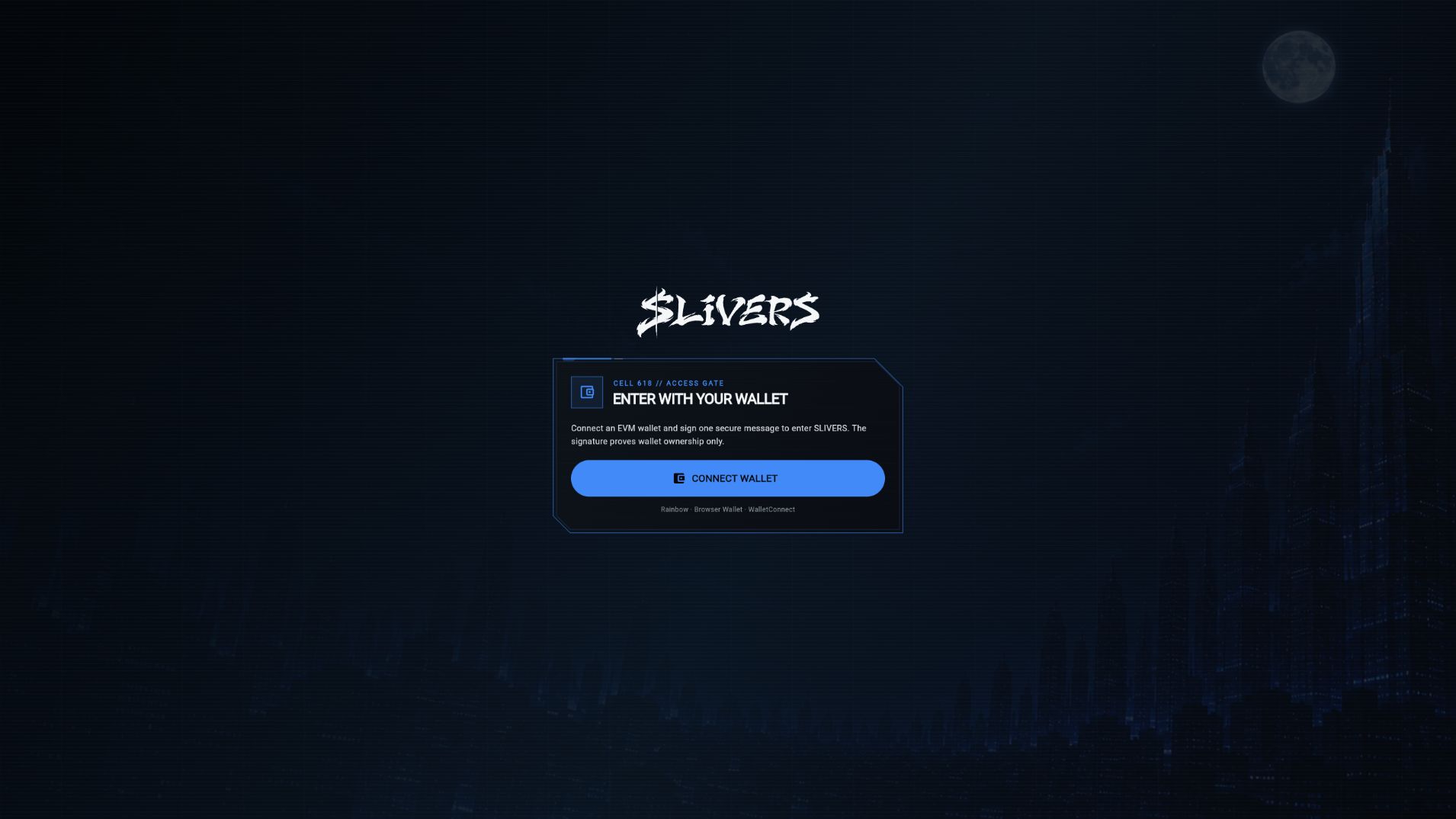
On the web, ownership is verified by signing a one-time security message in an EVM wallet connected through Reown/WalletConnect.
- The service never asks for or stores a seed phrase or wallet private key.
- Expired or previously used signature requests are rejected.
- Manually entering an address on Android or iOS does not by itself prove wallet ownership.
- A wallet address may be public-ledger data, but it is protected as potentially identifiable information when combined with a service account or campaign participation record.
#External accounts and social missions
YouTube and X missions request only the minimum permissions needed for the feature. Google sign-in and YouTube channel verification have different purposes and permissions, so each is connected and authorized separately.
- Access information for external services is stored in protected form and is not displayed again in the app.
- Disconnecting an account stops new verification through that external account.
- The criteria for rechecking follow or subscription status appear in each campaign notice.
#Reading and audio activity
Completion is determined from usage time, furthest progress, and section progress rather than from a completion button alone.
- A completion reward for the same episode is available once per account.
- Playback speed controls are allowed.
- Unrealistically short use, repeated background requests, or skipped sections may not count as completion.
- IP and device signals are supporting indicators for abnormal-use review; no account is permanently restricted on a single signal alone.
#Character chat and memory
Character-chat conversations and social-mission verification information are handled separately for their respective purposes. Memory is used for personalization only when separately approved, and sensitive information not approved by the user is not stored as long-term memory.
The feature screen explains memory settings and how to delete saved content.
#Retention and deletion
Information is retained for the period necessary for the stated purpose, such as providing a feature or preventing abuse. Specific retention periods and deletion rules depend on the data type and are provided in the relevant service screen or privacy notice.
- After account closure, external-account disconnection, or consent withdrawal, related information is deleted or de-identified according to the applicable rules.
- Records needed for transaction or consent verification, dispute response, or a legal obligation may be stored separately for the required period.
- Users may request access, correction, or deletion of their information as provided by applicable law.
#Security
- Web sign-in state is protected with secure cookies and request-forgery controls.
- Mobile credentials are stored in security storage provided by the operating system.
- Login-token lifetimes are limited and refresh credentials are rotated.
- External-service access information is encrypted and access is restricted.
- Wallet seed phrases and private keys are never requested or stored.